Shopify Expert in Portland
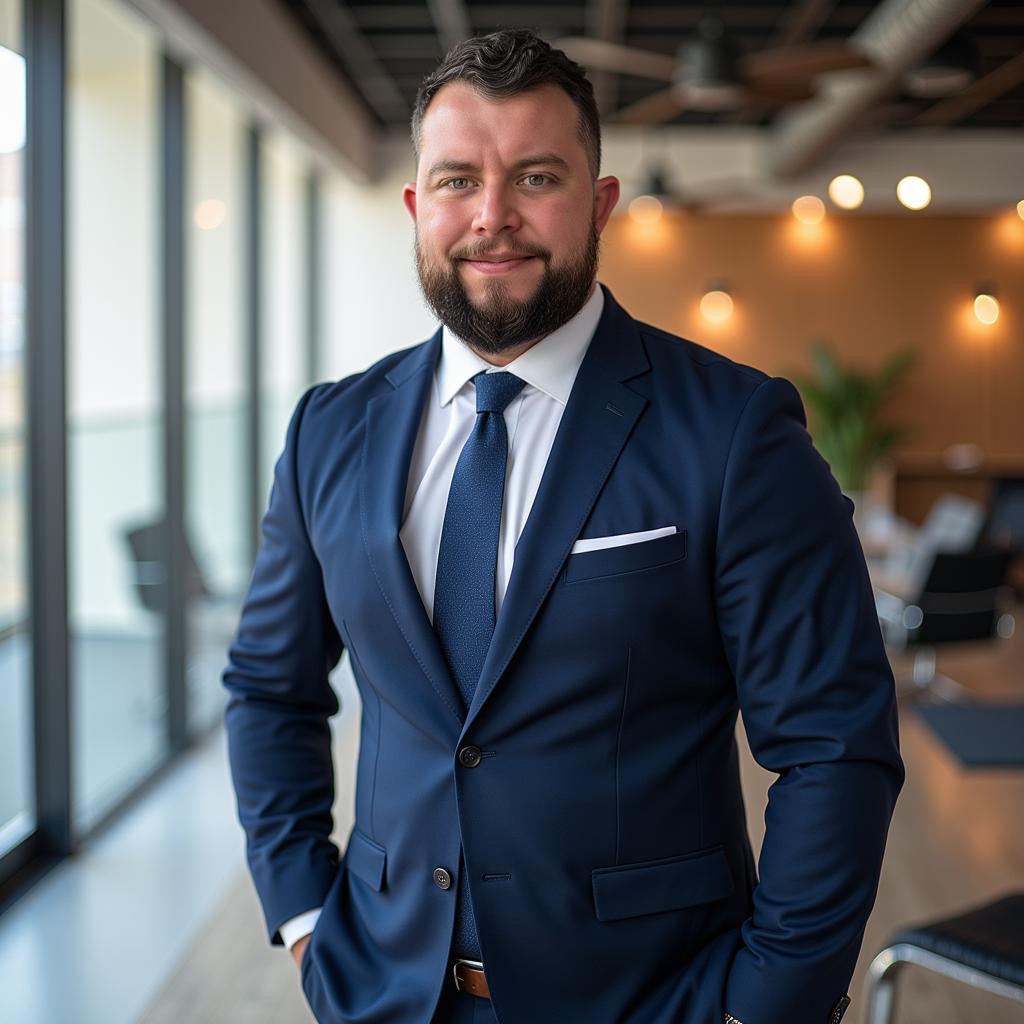 By Mark Gabrielli · Fractional CMO & COO · Last updated: May 2026
A Shopify Expert and Fractional CMO Working Remotely With Portland, Oregon Ecommerce Founders
Portland builds brands that stand for something: outdoor and apparel makers, sustainability-minded CPG, craft beverage, and a design-forward maker culture. Scaling one of those stores is a marketing and systems problem, not a theme problem. I run conversion, retention, paid, and clean data as one engine for Portland founders, and I build the owned version of it inside your company so growth compounds into equity. Remote, senior, and no downtown agency overhead.
A Shopify expert in Portland makes your store make money, not just look good, and understands the market you sell into: values-led outdoor and apparel buyers, sustainability-minded CPG shoppers, and a no-sales-tax price psychology unique to Oregon. I work with Portland founders remotely as a fractional CMO, running conversion, retention, paid, and analytics as one system, and building the growth infrastructure your brand keeps. Hire a freelancer for a single task. Hire a fractional CMO when you want someone to own the revenue number.
The Portland market reality for a Shopify brand
Portland does not reward the same playbook that works for a generic direct-to-consumer store. This is a city built on athletic and outdoor footwear and apparel, on craft and natural CPG and beverage, and on a maker and design culture that expects things to be made well and mean something. Your buyer here is more likely to read your sourcing page than your discount banner. If your Shopify store is optimized like a fast-fashion outlet, it will underperform against the audience you are actually selling to, because the audience is filtering for values, quality, and story before price.
That is not a soft observation, it is a conversion lever. When I take on a Portland store, I look at whether the product pages carry the proof a values-led buyer needs to say yes: materials, provenance, durability, and the reason the brand exists, placed where the decision happens rather than buried in an About page. Getting that right lifts conversion for exactly the customer Portland produces, and it does it without leaning on the margin-destroying promo cadence that trains buyers to wait for a sale.
The Shopify growth engine, one system not five silos
Ready to stop guessing on marketing?
Get your free game plan →Free, no obligation. If it's a fit, you'll pick a time to talk with Mark directly.Your revenue does not live inside Shopify. It lives across the storefront, Klaviyo for retention, Meta and Google for acquisition, your analytics, and your fulfillment and margins. When those are run by five different freelancers, each optimizes their slice and nobody owns the whole. Acquisition buys traffic the store cannot convert. Email discounts buyers who would have paid full price. The result is spend that looks busy and a revenue line that stays flat, which is a painful place to be when a Portland outdoor brand has a narrow seasonal window to make its number.
A fractional CMO runs the stack as one engine. Conversion work on the store lifts the return on every ad dollar. Retention flows raise lifetime value so acquisition can afford to bid higher. Clean analytics tells the truth about what is working so budget moves to it. Store, ads, and email stop fighting each other and start compounding. That is the difference between a Shopify expert who ships tasks and a growth leader who owns the number.
Build it in-house, so growth becomes equity
Here is the part most agencies will not tell you. When an agency runs your Shopify growth, you are renting their process and their tools, and they keep the intellectual property. Every month you pay an invoice that leaves nothing behind. The day you stop paying, the capability leaves with them.
I work the other way. I run the growth now, and I build the owned version of every system inside your company alongside your team: your conversion framework, your retention automations, your reporting, and the custom tooling that a generic app cannot do. To keep costs down and control up, we build these in-house rather than stacking third party subscriptions that own your data. The systems, the data, and the automations become assets on your side of the table. That is what raises the internal value of the business. When you eventually sell, raise, or hand off, you are handing off owned infrastructure, not a vendor relationship. For stores ready for it, that owned layer becomes a real software build you control.
An agency invoice is a cost. An in-house build is an asset. A fractional CMO who does both gets you the growth today and the equity tomorrow, on a Portland store built for the buyer Portland actually produces.
Values, seasonality, and story: positioning for Portland
Two things define selling to a Portland-heavy audience, and both are systems you can build into a Shopify store rather than hope for. The first is values and sustainability. A Portland buyer treats how a product is made as part of whether to buy it, so the sustainability story belongs on the product page and in the first retention email, framed as proof rather than as marketing. Done well, it raises conversion and it earns the repeat purchase, because the customer bought into the brand and not just the item.
The second is seasonality and community. Outdoor and apparel demand here moves with the seasons and the outdoor community that drives it, so the calendar is a growth tool. I build demand ahead of the shoulder months, protect margin through the peak instead of discounting into it, and use retention flows to carry a buyer from one season into the next so you are not re-acquiring the same customer every year. Design-forward storytelling ties it together: Portland expects things to look considered, and a store that reflects that keeps the buyer long enough to convert. This is where remote works in your favor, because you get that senior positioning without paying downtown-agency rates for it.
If you want to see the tools and platforms I use to build owned infrastructure and retention systems before we talk, they are on my resources page.
See the tools and platforms I use
Why remote works for Portland founders
I am not located in Portland, and that is a feature, not a gap. You are not paying for an office in the Pearl District or a local account team layered on top of the work. You are getting one senior operator who owns the strategy and the build, on video and async, which is how Portland outdoor, apparel, and CPG teams already run. The Oregon no-sales-tax dynamic even shapes the store itself: many local buyers expect the price they see to be close to the price they pay, so I build shipping and pricing presentation that respects that expectation instead of surprising them at checkout. None of that requires me to be in the room. It requires someone who owns the number.
Freelancer, agency, or fractional CMO
Use a Shopify freelancer when you have a defined task and you know it is the right one: a theme fix, an app install, a one-time migration. Expect $50 to $150 per hour and a clean handoff. Use an agency when you want to fully outsource execution and you are comfortable that they keep the process and the IP. Expect a retainer and a slower path to owning anything.
Use a fractional CMO when the problem is that revenue is stuck and you need someone to own the outcome, not just the output. You get senior strategy, a sequenced roadmap, and execution across the whole stack, at $5,000 to $40,000 per month instead of the $200,000-plus a full-time CMO costs loaded. And you get the in-house build, so the work compounds into your business rather than into a vendor invoice.
How we start
It begins with a short intake so I understand your store, your revenue, and where you are actually stuck. From there I run the diagnostic, show you the two or three levers that move your number the most, and we agree on scope. You see results inside the first 30 days because we start with the highest-return work, not a six month strategy deck. No phone tag and no pressure. Tell me about your Portland store and I will tell you honestly whether I can help.
Shopify expert in nearby cities
I work remotely with ecommerce founders across the West and nationwide. If you want the market-specific version for another city, these cover what scaling a Shopify store looks like there: Seattle and Denver. For the head Shopify overview, see the Shopify expert hub, and for the full stack of platforms I work across, see the platform experts hub.
Shopify expert in Portland FAQ
Do you work with Portland Shopify stores in person or remotely?
Remotely, and it works well for Portland founders. I am not based in Portland and I do not keep a local office or phone number, so what you get is senior strategy without the overhead of an agency downtown. Portland ecommerce leans on shared calendars, async updates, and clean reporting anyway, so a remote fractional CMO fits how outdoor, apparel, and CPG teams here already operate. We meet on video, I run the store diagnostic, and you see the roadmap in the first two weeks.
How does Oregon having no sales tax affect my Shopify pricing?
Oregon has no statewide sales tax, so many Portland shoppers are used to the shelf price being the final price. That shapes expectations even on ecommerce, where the checkout total feels higher once shipping is added. I build pricing and shipping presentation around that psychology: transparent thresholds, clear free-shipping bars, and framing that avoids the sticker shock a tax-free local buyer is not expecting. It is a small detail that changes cart conversion for a Portland-heavy audience.
Do you understand outdoor and apparel brands specific to Portland?
Yes. Portland is a hub for athletic and outdoor footwear and apparel, and those brands live and die on seasonality, values-led positioning, and retention. I treat the season as a system: build demand ahead of the shoulder months, protect margin through the peak, and use retention flows to carry buyers from one season into the next. For values-driven and sustainability-minded brands, the story is part of the conversion path, not a banner, so I build it into product pages and email.
What does a fractional CMO cost for a Portland Shopify brand?
Task-based Shopify freelancers run $50 to $150 per hour. A fractional CMO who owns your Portland store's growth strategy runs $5,000 to $40,000 per month depending on revenue and scope. The freelancer ships a defined task. The fractional CMO owns the revenue number, sequences the roadmap, and builds the in-house systems your brand keeps, so the spend compounds into equity instead of leaving with a vendor.
A working strategy call, not a sales pitch
In 30 minutes I will pressure test your growth, name the two or three levers actually moving your revenue, and tell you honestly whether a fractional CMO is the right move right now. No deck, no pitch. If we are not a fit, I will point you to who is.
Book a call if you are
- Doing $50k or more per month, or funded and scaling
- Ready to invest $5,000 to $40,000 per month in growth
- After an operator who builds owned systems, not just advice
Maybe not yet if you are
- Pre revenue with no growth budget yet
- Shopping for the cheapest freelancer
- After a done for you agency you never actually own
Start with the CMO Engine at $33 per month instead.
Free, and genuinely no pitch. If it is not a fit, you will still leave with a clear next step.