Shopify Expert in Atlanta
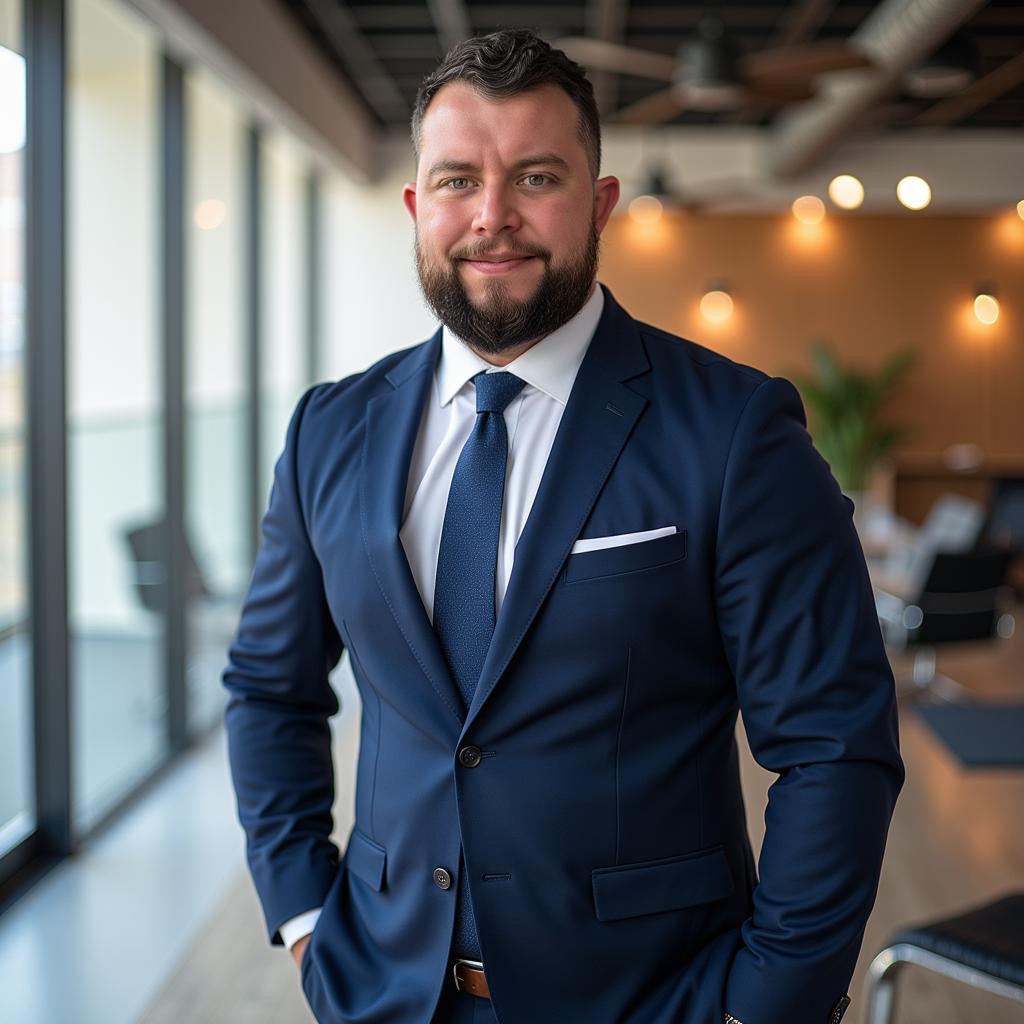 By Mark Gabrielli · Fractional CMO & COO · Last updated: May 2026
A Shopify Expert and Fractional CMO for Atlanta Ecommerce Founders, Working Remotely
I am Mark Gabrielli. I help Atlanta founders scale Shopify stores past plateaus, working remotely across conversion, retention, paid efficiency, and clean data as one engine. Atlanta gives you logistics muscle, payments literacy, and a creator-rich founder scene. I turn those local strengths into revenue, and I build the owned version of the growth systems inside your company so the work compounds into equity instead of vendor invoices.
A Shopify expert in Atlanta makes your store make money, not just look good, and the best ones use what Atlanta gives you. The high-value work is conversion rate optimization, a retention system in email and SMS, efficient paid acquisition, and analytics you can trust, all sharpened by Atlanta strengths in logistics, payments, and a creator-driven founder scene. I work remotely as your fractional CMO, own the revenue number, and build the growth infrastructure your business keeps. Freelancers run 50 to 150 dollars per hour, a fractional CMO runs 5,000 to 40,000 dollars per month.
The Atlanta market reality for a Shopify store
Atlanta is not a generic ecommerce city, and the stores that scale here treat that as an advantage rather than a footnote. The metro is a national logistics capital, built on one of the world's busiest airports and a dense web of carriers and distribution centers that reach across the Southeast in a day or two. It is a payments and fintech corridor where a large share of the country's card transactions are processed, so financial literacy runs deep in the founder pool. It is a film and entertainment center, which means an unusually large bench of creators, editors, and production talent living locally. And it has one of the most diverse and fast-growing founder ecosystems in the country, with strong consumer packaged goods coming out of it.
Each of those facts changes how I would grow your Shopify store. A generic Shopify plan ignores geography. An Atlanta plan leans into fulfillment reach for shipping promises and margin, into payments literacy for checkout and reporting, and into the local creator scene for content that actually converts. The rest of this page is about turning those specifics into a revenue number.
The Shopify growth engine, one system not five silos
Not sure a fractional CMO is the right move?
Take the 60-second fit check →Free, no obligation. If it's a fit, you'll pick a time to talk with Mark directly.Your revenue does not live inside Shopify. It lives across the storefront, Klaviyo for retention, Meta and Google for acquisition, your analytics, and your fulfillment and margins. When those are run by five different freelancers, each optimizes their slice and nobody owns the whole. Acquisition buys traffic the store cannot convert. Email discounts buyers who would have paid full price. The result is spend that looks busy and a revenue line that stays flat, which is a painful place to be when Atlanta's paid auctions are as competitive as any major metro.
A fractional CMO runs the stack as one engine. Conversion work on the store lifts the return on every ad dollar. Retention flows raise lifetime value so acquisition can afford to bid higher. Clean analytics tells the truth about what is working so budget moves to it. Store, ads, and email stop fighting each other and start compounding. That is the difference between a Shopify expert who ships tasks and a growth leader who owns the number.
Scaling a Shopify store in Atlanta, using what the city gives you
Here is the genuinely Atlanta-specific playbook. Start with logistics, because it is your unfair advantage. Sitting on top of a world-class air and freight hub with Southeast distribution reach means your store can make faster and cheaper delivery promises than a founder in a shipping desert. Most Atlanta stores waste that. I put the advantage where buyers see it: honest delivery estimates on the product page, free shipping thresholds set to protect margin instead of erasing it, and a checkout that frames fast fulfillment as a reason to buy now. Better shipping promises lift conversion, and regional fulfillment reach protects the margin that funds your growth.
Next, payments and fintech literacy. Atlanta founders tend to understand money, and that shows up in the store. I treat checkout conversion, wallet and installment options, subscription billing, and chargeback handling as revenue levers, and I insist on payment analytics you can trust, because a payments corridor breeds boards and lenders who ask hard questions about the numbers. Then the creator scene. Atlanta's film, music, and cultural depth means production and creator talent live here in volume, so user generated content and paid creative can be sourced locally and tested fast, feeding a Meta and TikTok engine that a store in a thinner market cannot match. Finally, the founder ecosystem itself. Atlanta's diverse, CPG-heavy founder base means your customers are often as varied as the city, so segmentation, messaging, and merchandising have to reflect real breadth rather than a single assumed buyer. Run those four together and the store scales on Atlanta's terms.
Build it in-house, so growth becomes equity
Here is the part most agencies will not tell you. When an agency runs your Shopify growth, you are renting their process and their tools, and they keep the intellectual property. Every month you pay an invoice that leaves nothing behind. The day you stop paying, the capability leaves with them.
I work the other way. I run the growth now, and I build the owned version of every system inside your company alongside your team: your conversion framework, your retention automations, your reporting, and the custom tooling that a generic app cannot do. To keep costs down and control up, we build these in-house rather than stacking third party subscriptions that own your data. The systems, the data, and the automations become assets on your side of the table. An agency invoice is a cost. What we build is an asset that raises the internal value of the business, and for stores ready for it, that owned layer becomes a real software build you control. When you eventually sell, raise, or hand off, you are handing off owned infrastructure, not a vendor relationship.
Atlanta gives you logistics, payments, and creators. A fractional CMO who runs the whole stack and builds it in-house turns those local strengths into growth today and owned equity tomorrow.
Why remote beats a local Atlanta office
I am not located in Atlanta, and for this work that is a feature. Shopify growth happens inside your store, your Klaviyo account, your ad platforms, and your analytics, all of which are already in the cloud. There is nothing about conversion optimization or a retention flow that improves by being done from an office in Buckhead or Midtown. What a local office adds is overhead you pay for in the retainer. What remote adds is senior time spent on the number instead of on commuting.
Atlanta founders get shared dashboards, scheduled working sessions, and clear async updates, so you always know what is being built and why. You are hiring the strategy and the execution, not a zip code. If anything, the remote model means you get a fractional CMO who has scaled stores across many markets rather than someone whose experience stops at the perimeter.
Freelancer, agency, or fractional CMO
Use a Shopify freelancer when you have a defined task and you know it is the right one: a theme fix, an app install, a one-time migration. Expect 50 to 150 dollars per hour and a clean handoff. Use an agency when you want to fully outsource execution and you are comfortable that they keep the process and the IP. Expect a retainer and a slower path to owning anything.
Use a fractional CMO when the problem is that revenue is stuck and you need someone to own the outcome, not just the output. You get senior strategy, a sequenced roadmap, and execution across the whole stack, at 5,000 to 40,000 dollars per month instead of the 200,000 dollars plus a full-time CMO costs loaded. And you get the in-house build, so the work compounds into your Atlanta business rather than into a vendor invoice.
See the tools and platforms I use
How we start
It begins with a short intake so I understand your store, your revenue, and where you are actually stuck. From there I run the diagnostic, show you the two or three levers that move your number the most, and we agree on scope. You see results inside the first 30 days because we start with the highest-return work, not a six month strategy deck. No phone tag and no pressure. Tell me about your store and I will tell you honestly whether I can help.
Working in another metro? See the Shopify Expert hub, or my pages for Shopify expert in Miami and Shopify expert in Dallas.
Shopify expert in Atlanta FAQ
Do you work with Atlanta Shopify stores in person or remotely?
Remotely, and it works better for growth. I am not based in Atlanta and I do not keep a local office, so you are not paying for a storefront or windshield time. Atlanta founders get senior Shopify and fractional CMO strategy over shared dashboards, working sessions, and clear async updates. The work that moves your revenue number, conversion, retention, and paid, happens in your store and your stack, not in a conference room across town.
How does Atlanta logistics help a Shopify store scale?
Atlanta sits on top of one of the busiest airports and freight corridors in the world, with deep carrier and distribution presence across the Southeast. For a store that means faster, cheaper shipping promises and better margins if the store is set up to use them. I turn that fulfillment strength into conversion: honest delivery estimates on the product page, free shipping thresholds that protect margin, and a checkout that makes your logistics advantage a reason to buy now.
What does a Shopify expert cost for an Atlanta founder?
Task-based freelancers run 50 to 150 dollars per hour whether they are in Atlanta or anywhere else. A fractional CMO who owns Shopify growth strategy runs 5,000 to 40,000 dollars per month depending on revenue and scope. The freelancer ships a task. The fractional CMO owns the revenue number, sequences the roadmap, and builds the growth systems your Atlanta business keeps.
Do you understand payments and fintech, which matters in Atlanta?
Yes. Atlanta is a national payments and fintech corridor, and that literacy shows up in ecommerce. Checkout conversion, wallet options, subscription billing, chargeback handling, and clean payment analytics all move revenue. I treat payments as part of the growth system, not an afterthought, so the store captures more of the demand it already has and you can trust the numbers you report to a board or a lender.
A working strategy call, not a sales pitch
In 30 minutes I will pressure test your growth, name the two or three levers actually moving your revenue, and tell you honestly whether a fractional CMO is the right move right now. No deck, no pitch. If we are not a fit, I will point you to who is.
Book a call if you are
- Doing $50k or more per month, or funded and scaling
- Ready to invest $5,000 to $40,000 per month in growth
- After an operator who builds owned systems, not just advice
Maybe not yet if you are
- Pre revenue with no growth budget yet
- Shopping for the cheapest freelancer
- After a done for you agency you never actually own
Start with the CMO Engine at $33 per month instead.
Free, and genuinely no pitch. If it is not a fit, you will still leave with a clear next step.