Fractional CMO in Utah: Taking a Utah Company International Before Its Peers
Many Utah founders reach the same point: the product sells, the team can speak half a dozen languages, and the company is about to enter new countries with a site translated word for word and no clear order of markets. What they want is growth abroad that pays back, one market at a time, on top of a home market that still grows.
Utah companies tend to go abroad early. Nu Skin, doTERRA, and Young Living, all based between Provo and Lehi, sell in dozens of countries, and Utah software firms often open offices in Europe or Asia while similar companies elsewhere are still focused on one region. Part of the reason is people. Thousands of Utahns have served missions overseas and come home speaking Portuguese, Spanish, Japanese, Korean, Tagalog, or Mandarin, and companies here can staff a support line or a sales team in another language faster than almost anywhere. Utah is also the youngest state in the country by median age. Speed abroad brings its own marketing mistakes.
A fractional CMO in Utah through MarkCMO costs $2,500 to $50,000 per month, with most engagements between $8,000 and $15,000, compared with $280,000 to $450,000 a year for a full-time CMO. It is month to month, Mark runs every account himself, and first results are targeted within 30 days. The work fits Utah software companies, direct selling and supplement brands, aerospace suppliers in Davis and Weber counties, and outdoor brands choosing where to grow next.
Why Utah companies go abroad early
Language skills, a culture of selling person to person, and investors who expect fast growth all push Utah firms overseas. That is an advantage, but it often means a company enters five countries with one website translated word for word and no plan for which market deserves the money. The firms that do well pick one or two countries, learn how buyers there search and decide, and build proof locally before expanding again.
Four Utah economies and how each sells abroad
| Economy | Where | International pattern |
|---|---|---|
| Direct selling and wellness | Provo, Lehi, Pleasant Grove | Distributor networks across Asia and Latin America |
| Software and SaaS | Lehi, Draper, Salt Lake City | Early offices in Europe, partner channels |
| Aerospace and defense | Ogden, Roy, Clearfield | Allied governments and export rules |
| Outdoor and consumer brands | Salt Lake, Park City, Ogden | Retail partners and marketplaces abroad |
Translation is not localization
A translated page answers the wrong questions if buyers in the new market care about different things. Japanese buyers may want more detail and references before a first call. Brazilian buyers may expect WhatsApp contact and local payment options. German buyers check data protection terms early. Local search terms differ from a direct translation as well, so keyword research has to be done in each language rather than carried over from English.
Signs a Utah company needs senior marketing help
- Growth came from networks, and the networks are tapped. Founder contacts, distributor energy and early referrals carried the first years, and new revenue now arrives more slowly.
- You sell in several countries and cannot say which one pays back. Each market has a translated site and a few customers, and none has a plan of its own.
- Paid ads carry the pipeline. Most new leads come from paid search and social, and the cost of each one keeps climbing.
- Nobody reviews what distributors and affiliates say. Product claims are written by the people paid to sell, in languages the head office does not read.
- The sales team is bigger than the marketing plan. Reps spend their days finding buyers instead of closing ones who already understand the product.
Silicon Slopes and the limits of the inside sales model
Utah County and the south end of Salt Lake County, from Draper through Lehi to Provo, became known as Silicon Slopes as companies such as Qualtrics, Domo and Pluralsight grew there and Adobe opened a large campus in Lehi. Many Utah software companies grew on large inside sales teams, a model that suits a state with a young workforce and many sellers who speak a second language. It works until each new rep costs more than the meetings they can find. The next stage needs buyers who arrive already understanding the product: search pages that answer the questions buyers ask before they talk to sales, honest pricing and comparison pages, and product content that shows the software in use.
The same shift matters abroad. A Utah company entering Brazil or Japan with a sales team that speaks the language still needs local pages buyers can find on their own, or the reps spend their first year cold calling. Building that demand in the home market first teaches the company what to repeat in the next one.
Utah programs that help, and what they leave to you
Utah has strong public and community support for companies that want to grow and export. Each resource below is worth using, and each leaves the marketing decisions with the company.
| Resource | What it does | What is still left to the company |
|---|---|---|
| Governor's Office of Economic Opportunity (GO Utah) | State economic development, incentives and business programs | Support to grow in Utah, not a choice of where to sell |
| World Trade Center Utah | Export training, market research and trade missions | Introductions abroad that still need local proof and pages |
| Utah SBDC | Free advising for small businesses across the state | A plan with nobody assigned to run it each week |
| Utah MEP | Manufacturing extension help for operations and growth | A better run plant with the same customer list |
| Silicon Slopes | Community, events and talent connections for Utah tech companies | Peers and hiring help, not a pipeline |
| APEX Accelerator | Help registering for and bidding on government contracts | Eligibility to bid near Hill, without recognition from the program office |
The first 30 days
Every engagement is month to month, Mark Gabrielli runs it himself with 15 years of marketing leadership behind him, and first results are targeted within 30 days. For a Utah company the first month usually covers:
- Rank the markets. Score each current and possible country on revenue, cost to reach buyers, competition and in-house language skills, and choose where the next dollar goes.
- Localize one market properly. Do keyword research in the local language and adapt pricing display, contact methods, legal terms and proof for that country.
- Review the claims. Check site, distributor and affiliate content against the rules that apply, especially for wellness and supplement products.
- Set the rhythm. Agree a weekly plan for content, outreach and measurement so the sales team gets warmer conversations each week.
Aerospace in northern Utah
Hill Air Force Base is one of the largest employers in the state, and Northrop Grumman's work on the Sentinel missile program has brought thousands of engineering jobs to Roy and the area around it. Suppliers in Davis and Weber counties sell into a world where export controls decide which customers are even allowed. Marketing there is careful and specific: past performance, certifications, and relationships with primes and program offices.
Southern Utah, Cache Valley, and the rest of the state
St. George and Washington County have grown quickly with retirees, remote workers, and visitors bound for Zion. Logan has Utah State University and its Space Dynamics Laboratory, and Cache Valley has a strong food processing base. These markets grow mostly at home, and their companies tend to need local search, reviews, and regional distribution more than an international plan.
What it costs in Utah
| Option | Typical cost | Best fit |
|---|---|---|
| Fractional CMO | $2,500 to $50,000/mo (most $8,000 to $15,000) | A company entering or growing markets abroad |
| Full-time CMO (total comp) | $280,000 to $450,000/yr | A team across several countries already exists |
| Strategy call | Free, 30 minutes | Bring revenue by country, leave with a ranked shortlist of where to go next |
The cost guide explains how scope changes the fee, and the fractional vs full-time comparison helps decide which model fits.
Coverage across the state
Work is mostly remote, with on-site days in Salt Lake City, Lehi, Provo, Orem, Draper, Ogden, Park City, Logan, and St. George. The Salt Lake City page covers moving from sales-led to marketing-led growth, and neighboring states are on the Idaho, Nevada, and Arizona pages.
Booking Moab trips directly instead of through the booking sites
Moab sits between Arches and Canyonlands national parks in Grand County, and a large share of its economy is guiding visitors into the country around it: rafting and float trips on the Colorado River, four wheel drive and side by side tours, canyoneering, climbing, mountain bike shuttles and scenic flights. Most visitors plan the trip from home, and many first find an outfitter through a large booking site that takes a commission on every sale. Arches has also used a timed entry reservation system during its busiest months, so visitors now plan their days around park reservations, and an outfitter that helps them fit a trip around that schedule earns the booking.
| Visitor | What they are planning | What makes them book with you |
|---|---|---|
| National park road trippers | Two or three days built around park entry times | A trip that fits the gaps, with clear times and meeting points |
| Families | Something safe that every age can do | Age limits, what to bring and guides who are good with children |
| Adventure travelers | A harder river day, canyon or trail | Honest difficulty ratings and guide experience |
| Groups and returning guests | A reunion, a club trip or the next visit | Group pricing on your own site and a guide they remember |
Make the direct booking the easy one
List on the booking sites to be found, then make your own site the better place to book: live availability, the same or a better price, clear cancellation terms and answers to the questions the park schedule raises. Ask every guest for a review and send past guests a note before the next season. The Salt Lake City page covers the Wasatch Front, the Arizona page covers the canyon country to the south, and the Wyoming page covers the parks to the north.
Utah's nutraceutical makers and the rules on what a label can say
Utah has one of the largest concentrations of dietary supplement companies in the country, with manufacturers, private label producers and brands spread through Utah County, Salt Lake County and the Wasatch Front. The industry's legal framework has a Utah connection as well: the Dietary Supplement Health and Education Act of 1994, which set the federal rules supplements are sold under today, was cosponsored by Senator Orrin Hatch of Utah. Those rules shape every piece of marketing a supplement company produces. A product may describe how an ingredient supports the structure or function of the body, but it may not claim to diagnose, treat, cure or prevent a disease. A label carrying a structure or function claim must include the standard FDA disclaimer, and the company must notify the FDA within 30 days of first marketing it. Advertising, websites, social posts and influencer content fall under the Federal Trade Commission, which expects health claims to be backed by competent and reliable scientific evidence and expects paid endorsements to be disclosed. In practice, the brands that grow without trouble build a claims review into their marketing process, keep the evidence for each claim on file, and train the creators and affiliates who speak for them.
| Channel | Where claims go wrong | What to put in place |
|---|---|---|
| Labels and packaging | Disease language on the front panel | Structure or function wording and the FDA disclaimer |
| Website and email | Customer stories that imply a cure | A claims review before anything is published |
| Influencers and affiliates | Undisclosed pay and unsupported promises | Written guidelines and clear disclosure |
| Retail and marketplace listings | Copy edited outside the brand's control | Approved listing text and regular checks |
Make the claims review part of the plan
Supplement marketing that holds up is written with the rules in mind from the first draft. The Salt Lake City page covers the capital and its suburbs, the Draper page covers the south valley, and the South Jordan page covers the growing west side of Salt Lake County.
The Dutch oven, Utah's state cooking pot
Utah named the Dutch oven its official state cooking pot in 1997, and few states have a stronger attachment to a single piece of cookware. The heavy cast iron pot with a flanged lid, set over and under hot coals, came west with the pioneers and never left. Today it shows up at family reunions, youth camps, backyard gatherings and river trips, and Dutch oven cook offs draw teams that prepare everything from stews and roasts to bread, cobblers and cinnamon rolls. That culture supports a set of small businesses. Outdoor stores and cast iron sellers sell ovens, lid lifters, tables, charcoal and accessories. Cooking instructors teach beginners how to season a pot, how many coals to place on top and below for a given temperature, and how to cook for a crowd. Caterers cook Dutch oven meals on site for reunions, company retreats and weddings. River outfitters and ranches serve Dutch oven dinners as part of a trip, and cookbook authors and video creators teach recipes to a large following. The marketing lesson is that most buyers want to learn as much as they want to buy. A first time owner who has a bad experience with a burnt cobbler may put the pot away for good. Businesses that sell a starter kit with a simple guide, hold beginner classes before the summer camping season, and post recipes with exact coal counts turn one sale into a customer who comes back for a second oven, a class or a catered meal.
| Business | Who buys | How to keep them coming back |
|---|---|---|
| Cast iron seller | First time owners and serious cooks | Starter kits with a simple guide to coals and care |
| Cooking instructor | Families and youth leaders before summer | Beginner classes timed to the camping season |
| Caterer or outfitter | Reunions, retreats and river trips | Group menus with set prices and a booking calendar |
Cast iron and coals
Teach the first meal well and the customer comes back for the next one. The Draper page covers the southern Salt Lake Valley, the Idaho page covers the neighbor to the north, and the Wyoming page covers the state to the northeast, where outdoor cooking is just as much a part of life.
Frequently asked questions
How much does a fractional CMO cost in Utah?
MarkCMO engagements run $2,500 to $50,000 a month, and most fall between $8,000 and $15,000, depending on hours and how many markets are involved. A full-time CMO costs about $280,000 to $450,000 a year in total pay. Work is month to month, and the first step is a free 30-minute call where you bring revenue by country and leave with a ranked shortlist of where to go next.
Which country should a Utah company enter first?
The one where the product solves a clear problem, buyers can be reached affordably, and the company already has some advantage, such as staff who speak the language or an existing customer. Fewer markets done well beat many done thinly. A short scoring of market size, competition, cost to reach buyers, and in-house language skills usually makes the first choice obvious.
Is translating our website enough to sell abroad?
No. Buyers in each country search with different words, ask different questions, and trust different kinds of proof. A good entry adapts the message, pricing display, contact methods, legal terms, and case studies for that market, and does keyword research in the local language. Word for word translation often reads as foreign and ranks poorly.
Do you work with direct selling and wellness companies?
Yes. Direct selling brands need marketing that supports distributors without making claims regulators object to, and that works across many countries with different rules. The engagement covers brand content distributors can share, compliant product messaging, and market by market plans for the regions where the company is growing or entering.
Can you help aerospace suppliers near Hill Air Force Base?
Yes. Suppliers in Davis and Weber counties need documented past performance, quality certifications, proper registration, and relationships with primes such as Northrop Grumman. Export controls also shape which international customers they can approach. The work builds capability material and a target list that respects those limits.
How can a Moab tour or rafting company get more direct bookings?
By making its own website the easiest place to book. Many Moab visitors find outfitters through large booking sites that charge a commission, and they plan days around Arches and Canyonlands, including Arches' timed entry reservations in busy months. Stay listed on those sites to be found, but offer live availability, an equal or better price and clear cancellation terms on your own site. Show trips that fit around park entry times, collect reviews, and contact past guests before each season.
What can a Utah supplement company say in its marketing?
It can describe how an ingredient supports the body's structure or function, but it cannot claim to diagnose, treat, cure or prevent a disease. Labels with those claims need the standard FDA disclaimer, and the FDA must be notified within 30 days of marketing. The FTC expects health claims in ads, websites and social posts to be supported by competent and reliable scientific evidence, and paid endorsers must disclose the relationship. A claims review before publishing prevents most problems.
How can Utah businesses sell Dutch ovens, classes and Dutch oven catering?
Teach as you sell. Utah made the Dutch oven its state cooking pot in 1997, and it is used at reunions, camps and river trips, but a first time owner who burns a meal may never use it again. Sell starter kits with a simple guide to seasoning and coal counts, hold beginner classes before the summer camping season, and post tested recipes. Caterers and outfitters should offer group menus with set prices for reunions and retreats.
What help does Utah offer companies that want to export?
World Trade Center Utah offers export training, market research and trade missions, and the Governor's Office of Economic Opportunity runs the state's business and incentive programs. The Utah SBDC advises small businesses for free. These resources help with introductions and logistics, but the company still has to choose the market, adapt its pages and proof for local buyers, and build demand there before the introductions turn into customers.
How quickly can a Utah company see results?
First results are targeted within 30 days: a ranked list of markets, one market localized properly with research done in the local language, a claims review across site and partner content, and a weekly plan for content and outreach. Revenue from a new country takes longer, so progress is tracked through local search visibility, inquiries and meetings in that market. Engagements are month to month, so the work has to keep earning its place.
Not just a plan, the tiers to deliver it
MarkCMO provides the strategy and the roadmap, and then delivers it across three tiers, so you get direction and execution from one team instead of handing a deck to someone else to build.
Fractional CMO and COO leadership: strategy, positioning, go-to-market, and the roadmap that sets the direction.
Running the function day to day: managing teams, vendors, budgets, and the operating cadence that keeps the plan on track.
Hands-on delivery: marketing execution, software development, tech-stack build and integration, plus finance and operations support, everything a business needs to scale.
From tech to marketing to finance, strategy through execution, MarkCMO can lead it, manage it, and build it.
Where we work in Utah
Mark works with founder-led and growth-stage companies across Utah, including Salt Lake City, Draper and South Jordan. Engagements run remotely with on-site sessions when they help, so the work is the same wherever your team sits.
Local pages: Fractional CMO in Salt Lake City, UT
Founder questions, answered
- How do I find out which of my marketing is actually working?
- Why is our go-to-market not working, and will an agency fix it?
- Do we need a brand strategy, or do we just need more leads?
- Should a Series A startup hire a growth pod, a fractional CMO, or a full-service agency?
- We have a marketing plan but nobody executes it. Do we need a marketing implementer?
- Why does our sales team ignore the marketing materials we make?
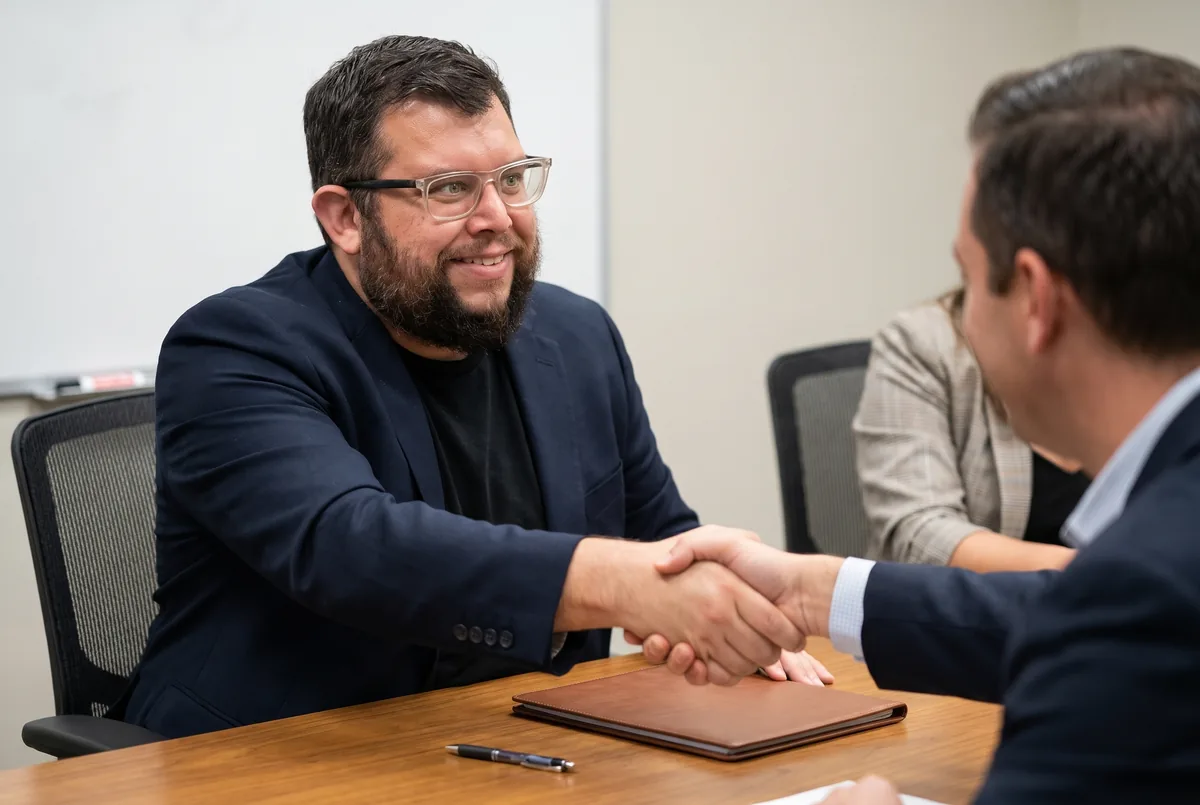
Talk it through with the fractional CMO who runs it.
See if Mark has availability for a callFree. 30 minutes. With Mark, not a salesperson.
Pick the next market before you translate a single page
Book a free 30-minute call with Mark Gabrielli. Bring your revenue by country and leave with a ranked shortlist of where to go next.
Book a free strategy call →