Fractional CMO in Cleveland: Marketing a Material That Disappears Into the Product
Much of what Cleveland makes ends up hidden inside something else. Sherwin-Williams, headquartered in a new downtown tower, sells coatings that end up on cars, buildings, and appliances. Lubrizol in Wickliffe makes additives for engine oils and personal care products, Avient in Avon Lake makes specialty plastics and colorants, and Parker Hannifin and Eaton build motion and power parts for machines made by other companies. Akron to the south has hundreds of polymer firms. When a product disappears into a customer's product, the end buyer rarely knows its name, and the maker has to market to the engineers and buyers who choose what goes inside.
A fractional CMO in Cleveland costs about $2,500 to $11,500 per month for part-time senior marketing leadership, compared with $170,000 to $275,000 a year in total pay for a full-time CMO. Typical clients earn $5M to $100M and make materials, components, or specialty chemicals sold to other manufacturers.
Three ways to market an ingredient
| Approach | How it works | When it fits |
|---|---|---|
| Technical marketing | Data, application notes, and samples for engineers | Almost always the base |
| Co-development | Working with a customer's lab on a new formula | High value, long term accounts |
| Ingredient branding | Making the end buyer ask for it by name | Rare, when the material changes the result |
Where materials companies lose deals
A formulator or design engineer usually tests several suppliers. The one that wins is often not the cheapest but the one that made testing easy: samples shipped fast, complete data, a technical person who answered the hard question, and proof the material performed in a similar application. Many Cleveland manufacturers have excellent chemistry and weak versions of every one of those, especially online, where engineers now do much of their early research.
Selling the switch
Changing a material inside a product is risky for the customer. It can mean new testing, new approvals, and the chance of a failure in the field. Marketing has to lower that risk with qualification support, side by side test results, and stories from customers who switched successfully. Sustainability goals are a strong reason to switch right now, since many brands must cut solvents, carbon, or certain chemicals, and a supplier with clear data on those points gets invited in.
The Clinic economy and the rest of the metro
Cleveland Clinic treats patients from every state and many countries, and with University Hospitals it anchors a large health economy of device makers, labs, and service firms. Progressive in Mayfield Village and KeyBank downtown add insurance and finance. Each of those buyers needs a different plan from the industrial one.
What it costs in Cleveland
| Option | Typical cost | Best fit |
|---|---|---|
| Fractional CMO | $2,500 to $11,500/mo | A materials or component maker growing accounts |
| Full-time CMO (total comp) | $170,000 to $275,000/yr | A large commercial team that needs a leader |
| Technical content and sampling plan | $3,000 to $7,500 | Making it easy for engineers to test and choose you |
More on pricing is in the cost guide. Statewide context is on the Ohio page.
Around Northeast Ohio
Work is mostly remote, with on-site days in Cleveland, Lakewood, Westlake, Mayfield Heights, Beachwood, Solon, Strongsville, and Akron, across Cuyahoga, Lake, Lorain, and Summit counties. Nearby markets are covered on the Columbus, Pittsburgh, and Detroit pages.
Selling treasury management to companies that already have a bank
Cleveland is a banking town. KeyCorp is headquartered downtown, the large national and regional banks all compete here, and community banks and fintech firms chase the same middle market companies. The most valuable product many of them sell to businesses is treasury management: the payments, receivables, fraud controls and cash tools a company uses every day. It is also one of the hardest to sell, because switching means new account numbers on every invoice, new connections to the accounting system and months of work for a finance team that is already busy. A chief financial officer rarely moves for a slightly better price. They move when something changes.
| Trigger | Why the finance team looks | What the bank should bring |
|---|---|---|
| A new chief financial officer | New leaders review every banking relationship | An early, specific review of the company's payments and controls |
| A fraud loss | Check or payment fraud exposes weak controls | Positive pay, payment approvals and a plan to put them in place quickly |
| A new accounting system | The connections to the bank must be rebuilt anyway | Proof the bank connects cleanly to that system |
| An acquisition or a new loan | Lenders and buyers reshape banking relationships | A coordinated offer from the lender and the treasury team together |
Market to the moment, not the logo
Watch for those triggers and keep a useful relationship in place until one arrives. The Akron page covers credit unions, the fintech page covers financial technology firms, and the Ohio page covers the rest of the state.
The lake fleet: selling to ships that work nine months a year
Cleveland is a Great Lakes port, and the freighters that move iron ore pellets, limestone, salt and other bulk cargo across the lakes shape a business most of the city never sees. The shipping season runs from spring until the locks at Sault Ste. Marie close in winter, and then the ships tie up at ports around the lakes for repairs, inspections and upgrades before the next season. That rhythm sets the calendar for every supplier in the trade: shipyards and repair contractors, engine and electrical specialists, fuel and lubricant suppliers, crew training schools, marine insurers and the steel mills and quarries that depend on the cargo. A buyer in this world is a fleet engineer or an operations manager who has worked with the same contractors for years and cannot afford a vessel that is late leaving layup.
| Time of year | What the fleet is doing | What a supplier should be doing |
|---|---|---|
| Summer and fall | Running at full speed, planning the winter work list | Visiting fleet engineers, quoting next winter's projects and showing past layup work |
| Winter layup | Ships tied up for repairs, inspections and upgrades | Crews on site, daily progress updates and no surprises on the invoice |
| Fit out in spring | Getting every vessel ready to sail on time | Fast parts and service so no ship misses the first trips |
| Anytime | Handling breakdowns away from home port | A known phone number and the ability to send a crew to another port |
Win next winter's work this summer
The layup work list is set months before the ice, so the supplier who is in the fleet office in August is the one who gets the call. Case studies from past layups and a reputation for on time fit out carry more weight than advertising. The Akron page covers the Summit County market, the Detroit page covers the other big lake port, and the Pittsburgh page covers the steel market to the east.
NASA Glenn technology: selling a licensed invention to industry
NASA's Glenn Research Center sits next to Cleveland Hopkins International Airport, with a second site, the Neil Armstrong Test Facility, near Sandusky. Its engineers work on aircraft propulsion, power and propulsion for spacecraft, communications, materials and icing research, and the work produces patents that NASA makes available to companies through its technology transfer program. A Northeast Ohio company can license one of those inventions, and startups can apply for licenses on terms written for new firms. Small businesses also reach the center through the federal SBIR and STTR research programs. The marketing problem starts after the license is signed. NASA's name opens doors, but a commercial buyer in automotive, energy, manufacturing or medical devices does not buy a patent or a lab result. The buyer wants a product that solves a problem it already has, at a price it can justify, with a supplier that can deliver and support it. Many licensees lead with the space story and stall, because the engineer on the other side cannot tell what the technology does for a production line or a product. The ones that sell translate it: which problem it solves, what it replaces, how it performs in the buyer's conditions rather than in a test cell, and what it costs over its working life. The NASA connection then works as proof of the science instead of the whole pitch.
| Stage | Who the company is talking to | What the marketing has to show |
|---|---|---|
| Choosing a technology to license | The company's own leadership and investors | A market that needs it and a buyer who will pay |
| First commercial pilots | Engineers at an early customer | Performance in the customer's conditions |
| Scaling sales | Purchasing and operations teams | Cost, supply and support at volume |
| Raising capital | Investors and grant reviewers | Customer evidence beyond the NASA pedigree |
Lead with the buyer's problem, then cite the lab
A space pedigree earns a meeting, and a clear business case earns the order. The Strongsville page covers Cleveland's southwest suburbs, the Canton page covers Stark County, and the Youngstown page covers the Mahoning Valley.
Polka halls and bands in Cleveland
Cleveland gave the country its own style of polka. Cleveland-style polka grew out of the Slovenian neighborhoods along St. Clair Avenue and in Collinwood and Euclid, built on the button box accordion and a lighter, faster feel than the Polish polka of Chicago. Frankie Yankovic, known as America's Polka King, took it national, and the National Cleveland-Style Polka Hall of Fame in Euclid keeps the history. The music still lives in the region's Slovenian, Croatian, Polish and other ethnic halls, at parish festivals and at weddings, but the people who keep it going face a familiar problem. The halls need rentals to pay for their buildings, the bands need bookings, and the most loyal audience is getting older. The ones that are finding new customers treat the tradition as something to share rather than something to protect. Halls list themselves where couples and event planners search, with photos, capacity, catering options and an online calendar, and many are affordable compared with newer venues. Bands post short videos so a couple can hear what a polka set at their wedding would sound like, and offer a mixed set for a crowd that wants some polka and some popular music. Lessons before a festival or a wedding give younger guests a reason to get on the floor instead of watching. And the halls that host Lenten Friday fish fries, festivals and heritage events use those nights to collect contact details, because a visitor who had a good evening is the most likely person to rent the hall later. None of this changes the music. It simply puts it in front of people who have not yet heard it live.
| Who is looking | What they need to see | Where they look |
|---|---|---|
| Engaged couple | Hall photos, capacity, price range, open dates | Search and wedding sites |
| Event planner | Catering, parking and an online calendar | Search and venue lists |
| Someone booking a band | Short videos and a mixed set list | Video sites and social media |
| Fish fry or festival visitor | A reason to return or rent the hall | At the event, then by email |
New audiences for an old sound
A guest who learned the steps at a wedding is the next person to book the band. The Ohio page covers the state market, the Akron page covers Summit County, and the Strongsville page covers the southwest suburbs.
Frequently asked questions
How much does a fractional CMO cost in Cleveland?
Most Cleveland engagements run $2,500 to $11,500 a month, depending on hours and scope. A full-time CMO here costs about $170,000 to $275,000 a year with bonus and benefits. Materials and component makers often begin with a $3,000 to $7,500 technical content and sampling plan, then continue monthly to run engineer outreach and account programs.
How do you market a product the end customer never sees?
By marketing to the people who choose what goes inside: design engineers, formulators, and purchasing teams at manufacturers. They want complete data, fast samples, application examples, and a technical contact who can answer hard questions. Ingredient branding aimed at end buyers only makes sense when the material visibly changes the finished product's performance.
How can a supplier convince a manufacturer to switch materials?
By reducing the risk of switching. That means qualification support, side by side test data, help with any approvals, and stories from customers who changed successfully. Pointing to a pressing reason, such as meeting a sustainability target or fixing a known defect, gives the engineer a case to bring to their own management.
Do you work with health care companies near Cleveland Clinic?
Yes. Device makers, labs, and service firms selling to the Clinic or University Hospitals need a different plan from industrial clients, built around clinical evidence, buying committees, and vendor approval. Where a company serves both industrial and health customers, the two programs are planned and budgeted separately.
How do banks win treasury management business from companies that already have a bank?
Usually by being ready when something changes rather than by offering a lower price. Switching treasury services is a lot of work for a finance team, so companies tend to move after a trigger: a new chief financial officer, a fraud loss, a new accounting system, an acquisition or a new loan. Banks that win keep a useful relationship in place before that moment, then bring a specific plan for the company's payments and controls, and proof that they connect cleanly to its systems.
How do suppliers win work from Great Lakes shipping companies?
By planning around the winter layup. Great Lakes freighters carry iron ore, limestone and salt from spring until the locks at Sault Ste. Marie close in winter, then tie up at ports like Cleveland for repairs and inspections. Fleets set that work list months ahead, so suppliers should visit fleet engineers in summer, quote next winter's projects early, show past layup work, and deliver fast parts and service during spring fit out so no ship sails late.
How should a company market a technology licensed from NASA Glenn?
By selling the solution to a commercial buyer's problem and using NASA as proof. NASA's Glenn Research Center in Cleveland licenses patents in propulsion, power, communications and materials, with startup terms for new firms. Buyers in automotive, energy and manufacturing do not purchase a lab result, so a licensee should show what the technology replaces, how it performs in the customer's conditions, and its cost over its working life.
How can a Cleveland polka band or ethnic hall attract younger customers?
Make it easy for new audiences to find and try the tradition. Halls should list photos, capacity, catering, parking and an online calendar where couples and planners search. Bands should post short videos and offer a mixed set of polka and popular music for weddings. Lessons before a wedding or festival get younger guests dancing, and fish fries and heritage events are the right time to collect contact details from visitors who may rent the hall later.
Not just a plan, the tiers to deliver it
MarkCMO provides the strategy and the roadmap, and then delivers it across three tiers, so you get direction and execution from one team instead of handing a deck to someone else to build.
Fractional CMO and COO leadership: strategy, positioning, go-to-market, and the roadmap that sets the direction.
Running the function day to day: managing teams, vendors, budgets, and the operating cadence that keeps the plan on track.
Hands-on delivery: marketing execution, software development, tech-stack build and integration, plus finance and operations support, everything a business needs to scale.
From tech to marketing to finance, strategy through execution, MarkCMO can lead it, manage it, and build it.
Founder questions, answered
- Do we need a head of IT, or is a managed IT provider enough?
- Should we hire a contract CMO, and how does a contract CMO work compared with an employee?
- Does a health tech company need a CMO, or is a fractional CMO enough?
- Who should a CEO use as an outside advisor for growth: a business coach, a board, or a fractional executive?
- Should our marketing leader be the next CEO, and who runs marketing if they move up?
- We just raised a round. Should we hire a full-time CMO or start with a fractional CMO?
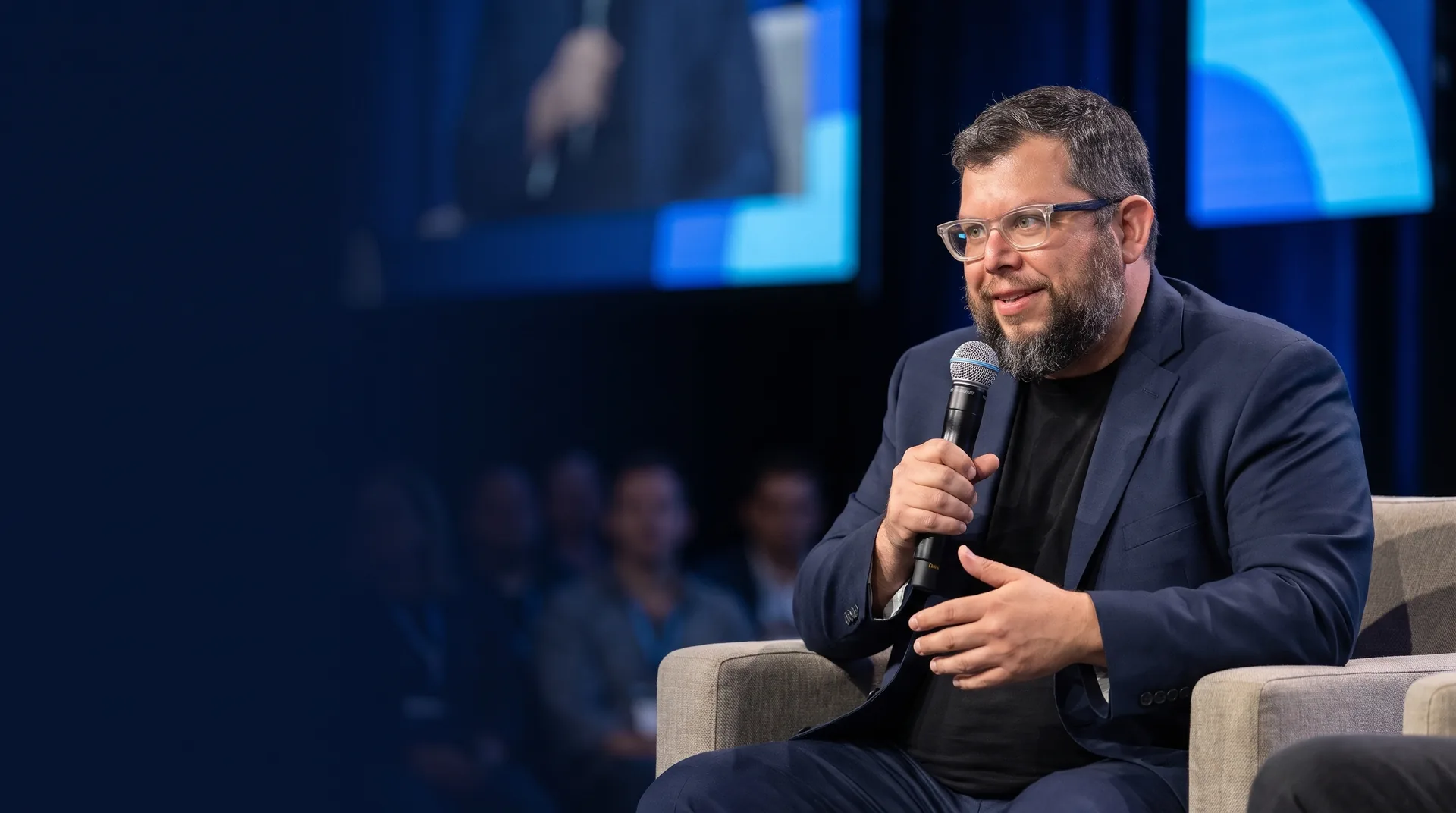
Talk it through with the fractional CMO who runs it.
See if Mark has availability for a callFree. 30 minutes. With Mark, not a salesperson.
Make it easy for engineers to choose your material
Book a free 30-minute call with Mark Gabrielli. Bring your last few lost trials and leave knowing where the testing process cost you the deal.
Book a free strategy call →