Fractional CMO in Minneapolis: Selling to Hospitals and Retail Buyers
The Twin Cities hold one of the densest medical technology clusters in the world, along with the headquarters of Target, Best Buy, General Mills, and a long list of other corporate buyers. That shapes the growth companies here. Many are founded by engineers and executives who left those companies, and most of them sell to institutions with formal committees, strict rules about claims, and long memories. Good marketing in this market looks more like evidence than advertising.
A fractional CMO in Minneapolis is a part-time senior marketing executive who owns strategy, pipeline, and the team for about $2,500 to $50,000 per month, compared with $280,000 to $450,000 a year in total compensation for a full-time CMO. Twin Cities engagements most often involve medical device and digital health companies, vendors selling into the large retail headquarters, or spinouts led by former corporate executives.
Medical Alley: marketing under scrutiny
Medtronic, Boston Scientific's large local operations, and hundreds of smaller device and diagnostics firms make up what the industry calls Medical Alley. Marketing a device here means working inside rules most marketers never encounter:
- Claims are limited by clearance. What you can say depends on your FDA pathway and labeling, and an overreaching claim is a regulatory problem, not a copy edit.
- Hospitals buy through value analysis committees, where clinicians, supply chain, and finance all need different evidence.
- Reimbursement shapes demand. A product without a clear coding and payment path is hard to sell no matter how good the outcomes are.
The marketing job is to build the evidence package each committee member needs and to arm a small sales team to use it.
Selling to the big retail headquarters
| Buyer | What wins the meeting | What loses it |
|---|---|---|
| Retail merchants | Sell-through data and a clear reason the shopper will care | Brand claims without numbers |
| Corporate procurement | Security, compliance, and a low-risk pilot | Pushing for a large first contract |
| Food and consumer brand teams | Category insight they do not already have | Generic agency case studies |
Spinouts and second-act founders
Many Twin Cities startups are led by people who spent years inside a large company here. They know the industry deeply but have usually had a marketing department behind them. Without it, they tend to underinvest in positioning and overinvest in a polished website. A fractional CMO supplies the function they are used to having, at a size the company can afford.
What it costs in Minneapolis-St. Paul
| Model | Typical cost | Good fit when |
|---|---|---|
| Fractional CMO | $2,500 to $50,000/mo | A device, health, or B2B company before a full marketing team |
| Full-time CMO (total comp) | $280,000 to $450,000/yr | A commercial-stage company with multiple products and a sales force |
| Evidence and messaging package | $3,000 to $8,000 | Before a first value analysis committee or a retail line review |
The fractional CMO cost guide explains what drives the range, and how to choose a fractional CMO covers what to look for in regulated industries.
Serving the Twin Cities
Remote by default, with in-person sessions across Minneapolis, St. Paul, Bloomington, Edina, Eden Prairie, Minnetonka, Plymouth, Maple Grove, Eagan, Roseville, St. Louis Park, and Wayzata. Statewide context is on the Minnesota page, and nearby metros are covered on the Madison, Milwaukee, and Des Moines pages.
Selling to the food and agriculture giants, and to cooperatives
The Twin Cities sit at the center of one of the largest food and agriculture economies in the country. Cargill is based in the western suburbs, General Mills in Golden Valley, Land O'Lakes in Arden Hills, and CHS in Inver Grove Heights. Two of those four are cooperatives owned by farmers and local co-ops, and that difference matters to anyone trying to sell to them.
| Buyer type | What drives the decision | What a vendor should bring |
|---|---|---|
| Global agribusiness and trading companies | Scale, risk, and cost across many countries | Proof the product works at their scale and a plan for rolling it out across sites |
| Packaged food companies | Brand, food safety, cost, and speed to shelf | Food safety documentation, a credible cost case, and evidence from comparable brands |
| Farmer-owned cooperatives | Value to members and a board of farmer owners | A case that works for the member on the farm as well as for the co-op's operations |
| Local co-ops and agronomy retailers | Trust with growers they have served for years | Field results, agronomist support, and patience with relationship selling |
What changes when the buyer is a cooperative
A cooperative's leaders answer to members, and decisions tend to be judged by whether they help the farmer on the other end. A technology pitch built only around the co-op's margin often stalls, while one that shows a member saving time or improving yield moves faster. Sales cycles follow the crop year, so plan launches and demonstrations around planting and harvest rather than the fiscal calendar, and expect field trials before a broad agreement.
The large food and ag companies also ask suppliers for more data than they used to, including sustainability and sourcing information. A supplier that can answer those questions clearly, with documentation, gets through procurement faster. The food and beverage page covers the brand side, the Des Moines page covers Iowa's agriculture market, and the Minnesota page covers the rest of the state.
Reaching Somali American customers in the Twin Cities
Minnesota is home to the largest Somali American community in the country, with deep roots in Minneapolis neighborhoods such as Cedar-Riverside and along Lake Street, and in suburbs across the metro. Somali owned malls, groceries, restaurants, travel agencies and money transfer services are part of the local economy, and the community is a growing market for banks and credit unions, health systems, home care and clinics, insurers, auto dealers, homebuilders and employers. Many businesses want to reach it and do it badly, with a translated ad and nothing else. What works is closer to how trust is built in any close community: through people, places and word of mouth. Language matters, especially for older customers, and so does respect for religious practice, from halal food to financing that avoids interest, which some local lenders and credit unions now offer.
| Business | What customers look for | What builds trust |
|---|---|---|
| Banks and credit unions | Financing that fits religious practice and fair treatment | Products designed with community advisers and staff who speak Somali |
| Health systems and clinics | Respectful care and clear communication | Interpreters, community health workers and outreach through local organizations |
| Food and consumer brands | Halal products and familiar tastes | Placement in community groceries and real certification |
| Employers | Stable jobs and room for prayer and family needs | Referrals from current staff and clear policies on scheduling |
Show up in person and plan around the calendar
Community organizations, mosques, Somali language media and local business owners carry more weight than paid ads, and Ramadan and the Eid holidays shape when people shop and travel. Hire from the community and let those staff shape the message. The Saint Paul page covers the east metro, the Minnesota page covers the state, and the Des Moines page covers the next market to the south.
Hockey families: reaching them on the way to the rink
Minnesota calls itself the State of Hockey, and in the Twin Cities the sport shapes a family calendar for most of the year. Community associations run teams from the first learn to skate sessions through the high school level, and the boys and girls state high school tournaments fill the Xcel Energy Center in Saint Paul every winter. Indoor arenas sit in nearly every suburb, outdoor rinks open in city parks when the weather allows, and weekends from November to March are spent driving to games and tournaments across the state and into Wisconsin and the Dakotas. That creates a large, reachable market of families who spend steadily on the sport and talk to each other constantly in the stands. Equipment stores, skate sharpening shops, private coaches, dryland training gyms, summer camps, hotels in tournament towns and restaurants near the arenas all sell to the same people. The challenge is that the buying is seasonal and passed by word of mouth. Tryouts and evaluations in the fall drive equipment and training purchases, the season itself drives travel, food and repairs, and spring and summer are when parents choose camps and development programs for the next year. A business that only advertises when it needs customers misses the moments when decisions are made, and one that earns a recommendation from the parents in a single association can fill its calendar.
| Time of year | What families are deciding | Who sells into it |
|---|---|---|
| Fall tryouts and evaluations | New gear and extra training | Equipment stores, skate shops and private coaches |
| November to March season | Travel, food and repairs | Hotels, restaurants and sharpening services |
| State tournament weeks | Tickets, gatherings and gear | Venues, caterers and team apparel shops |
| Spring and summer | Camps and development programs | Training gyms, camps and clinics |
Show up through the associations families trust
Sponsorships, tournament programs and offers made through local associations reach families where they already talk. The Edina page covers the southwest suburbs, the Eagan page covers Dakota County, and the Maple Grove page covers the northwest metro.
The Juicy Lucy: one burger, many bars
The Juicy Lucy is a hamburger with the cheese sealed inside the patty instead of on top, so it melts in the middle and comes out hot enough to burn the first bite. It is a Minneapolis food, and two bars a short drive apart in the south of the city, Matt's Bar and the 5-8 Club, have each claimed for decades to have invented it, with Matt's spelling it Jucy Lucy. Today dozens of bars and restaurants around the Twin Cities sell their own version, and grocery stores sell kits and stuffed patties. That is a useful lesson for any business that sells something everyone else sells too. A bar that is not one of the two originals gains nothing by claiming it is. Visitors who want the original story will go to those bars no matter what, and an invented claim can damage trust with locals who know better. What works is saying clearly what makes this version different: the cheese, the beef, the bun, a pepper jack or blue cheese version, a vegetarian one, or the room and the neighborhood. A warning about the hot center, printed on the menu, is a small courtesy that people repeat to friends. A good photo that shows the cheese pouring out sells more than any adjective. And a bar can point visitors to the Juicy Lucy tradition in the city while making its own case for the next one.
| What a bar says | Why it works or fails |
|---|---|
| We invented it | Fails unless you can prove it; locals know the history |
| Here is what makes ours different | Works; it gives a reason to choose this one |
| Careful, the center is hot | Works; a small courtesy people repeat |
| A photo of the cheese pouring out | Works; it shows the product better than words |
Selling a burger without claiming the invention
A clear reason to choose one version over another beats a claim nobody can check. The Minnesota page covers the state market, and the Burnsville, Eden Prairie and Minnetonka pages cover three of the suburbs where the burger has spread.
Frequently asked questions
How much does a fractional CMO cost in Minneapolis?
Typically $2,500 to $50,000 per month depending on scope and hours, compared with $280,000 to $450,000 a year in total compensation for a full-time CMO in the Twin Cities. Medical device and B2B companies often start with an evidence and messaging package for $3,000 to $8,000 before a first committee presentation or retail line review.
Can a fractional CMO market a medical device?
Yes, as long as the work respects the limits of your clearance and labeling. That means coordinating claims with regulatory, building evidence for each member of a hospital value analysis committee, and supporting a sales team that sells to clinicians and supply chain at the same time. The goal is credible demand, not aggressive promotion that creates regulatory risk.
How do we get a meeting with a large Twin Cities retailer?
Lead with data the merchant cares about: sell-through in the stores or channels where you already sell, repeat purchase, and a clear reason the shopper will choose you. Offer a small, low-risk test instead of asking for a national launch. Many vendor relationships here start through a regional test or an online-only assortment before expanding.
We left a big company to start our own. Do we need a CMO?
You need the function, not necessarily the full-time title. Most second-act founders miss the positioning, demand generation, and measurement their old marketing department handled. A fractional CMO provides that leadership at a fraction of the cost, and helps you decide when the company is ready to hire a full-time marketing leader.
How is selling to an agricultural cooperative different from selling to a corporation?
A cooperative is owned by its members, usually farmers or local co-ops, so its leaders judge decisions by the value delivered to those members. A pitch built only on the cooperative's own margin tends to stall. Show what the member gains on the farm, back it with field trials, and plan around planting and harvest rather than a fiscal quarter. Expect relationship selling and a board that takes its time on larger commitments.
How can a business reach Somali American customers in Minneapolis?
Through people and places the community already trusts, not translated ads alone. Minnesota has the largest Somali American community in the country, centered in Minneapolis neighborhoods like Cedar-Riverside and along Lake Street. Work with community organizations, Somali language media and local business owners, hire staff from the community, plan around Ramadan and the Eid holidays, and offer products that respect religious practice, such as halal food or financing that avoids interest.
How do Twin Cities businesses market to hockey families?
By matching the hockey calendar and working through the associations parents trust. Fall tryouts drive equipment and training purchases, the November to March season drives travel, food and repairs, and spring and summer are when families choose camps. Businesses that sponsor local associations, advertise in tournament programs and earn recommendations from parents in the stands reach buyers at the moment they decide, rather than only when the business needs customers.
How should a Twin Cities bar market its Juicy Lucy?
Do not claim to have invented it unless you can prove it; two south Minneapolis bars have disputed that for decades and locals know the history. Instead, say clearly what makes your version different, such as the cheese, the beef, the bun or a vegetarian option. Warn guests that the center is hot, show a photo of the melted cheese, and let the room and neighborhood be part of the reason to come.
Not just a plan, the tiers to deliver it
MarkCMO provides the strategy and the roadmap, and then delivers it across three tiers, so you get direction and execution from one team instead of handing a deck to someone else to build.
Fractional CMO and COO leadership: strategy, positioning, go-to-market, and the roadmap that sets the direction.
Running the function day to day: managing teams, vendors, budgets, and the operating cadence that keeps the plan on track.
Hands-on delivery: marketing execution, software development, tech-stack build and integration, plus finance and operations support, everything a business needs to scale.
From tech to marketing to finance, strategy through execution, MarkCMO can lead it, manage it, and build it.
Founder questions, answered
- How do I build a marketing system that runs without me?
- How do I find out which of my marketing is actually working?
- Why is our go-to-market not working, and will an agency fix it?
- Do we need a brand strategy, or do we just need more leads?
- Should a Series A startup hire a growth pod, a fractional CMO, or a full-service agency?
- We have a marketing plan but nobody executes it. Do we need a marketing implementer?
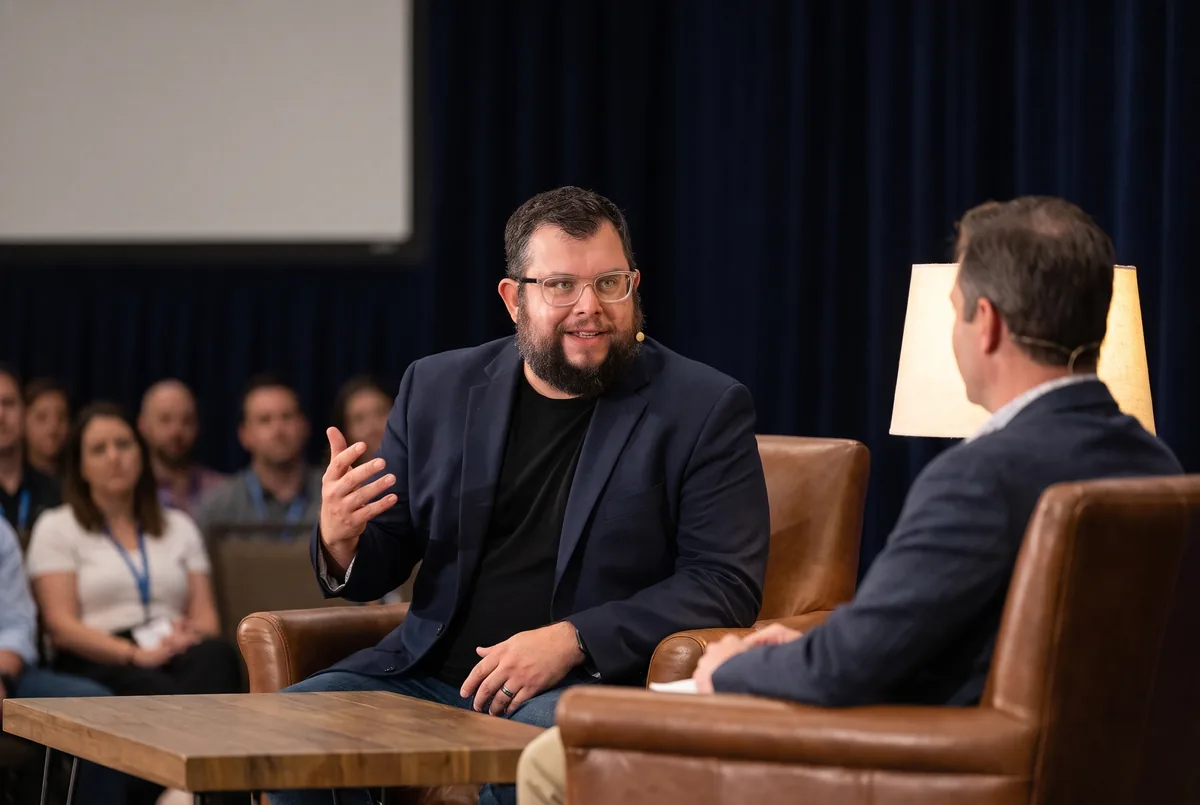
Talk it through with the fractional CMO who runs it.
See if Mark has availability for a callFree. 30 minutes. With Mark, not a salesperson.
Build the evidence your Twin Cities buyers need
Book a free 30-minute call with Mark Gabrielli. Bring the buyers or committees you are trying to win, and leave with a clearer plan for reaching them.
Book a free strategy call →