Fractional CMO for Media, Publishing & Content Companies
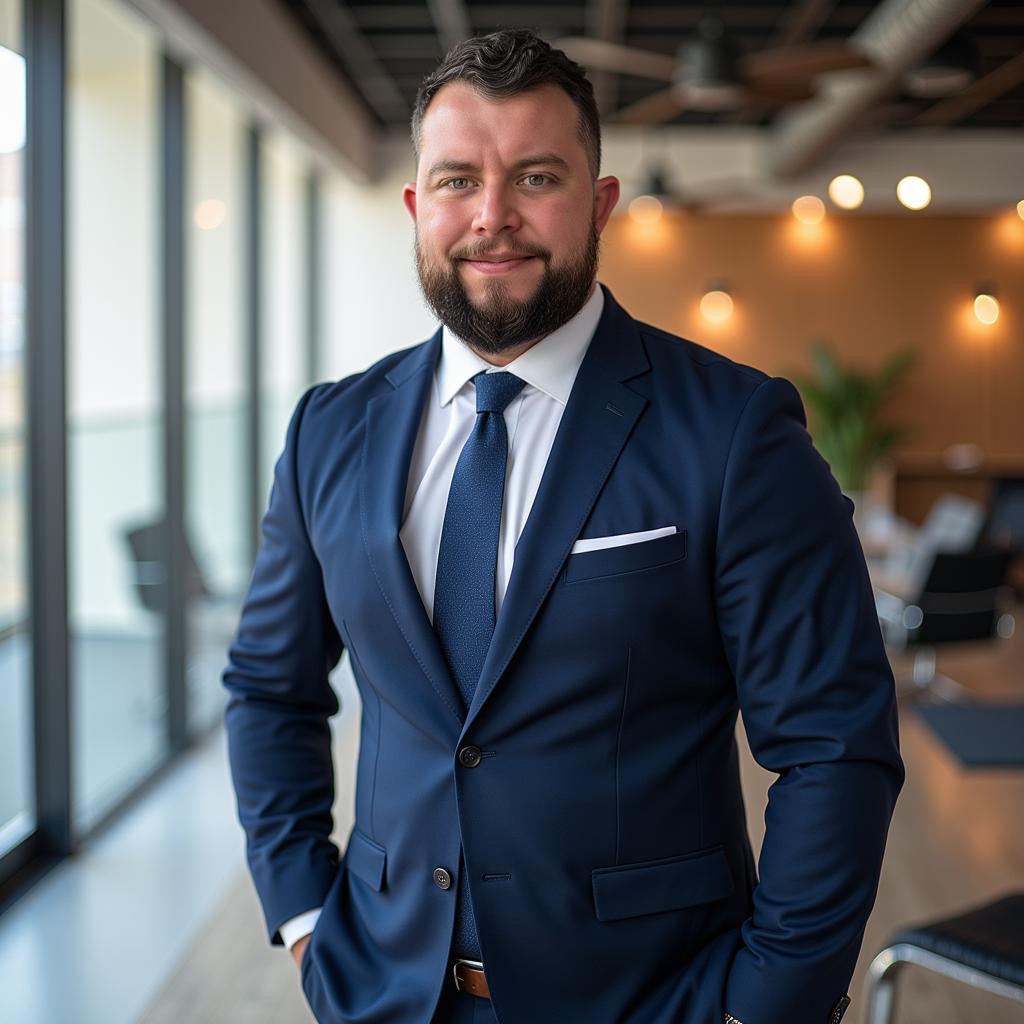 By Mark Gabrielli · Fractional CMO & COO · Last updated: May 2026
Monetize your audience, grow subscriptions, and build a brand that commands attention.
Book a Free Strategy CallBy Mark Gabrielli · Fractional CMO & COO · Last updated: May 2026Monetize your audience, grow subscriptions, and build a brand that commands attention.
Book a Free Strategy CallA fractional CMO for media & publishing companies gives you senior marketing leadership - strategy, team oversight, and execution direction - at a fraction of the cost of a full-time hire. Engagements typically run $8,000-$15,000/month and deliver results within 90 days.
This is one of the most common challenges media & publishing companies face without dedicated marketing leadership.
Without a senior strategist, marketing efforts lack the cohesion needed to drive compounding results.
This gap between marketing activity and business results is exactly what a fractional CMO is built to close.
A fractional CMO who has navigated media's digital transformation - from audience development and subscription models to content monetization and brand extensions.
A fractional CMO for media & publishing companies provides senior marketing leadership on a part-time or project basis. This includes building go-to-market strategy, leading demand generation, managing brand positioning, and overseeing the marketing team - all tailored to the specific challenges of the media & publishing sector.
Fractional CMO engagements for media & publishing companies typically range from $7,000 to $15,000 per month depending on scope and time commitment. This compares to $200,000-$350,000 per year for a full-time CMO - making fractional significantly more cost-effective for companies not yet ready for a full-time hire.
The right time is when your company is generating $2M-$30M in revenue, marketing is underperforming but a full-time CMO isn't justified yet, or you're entering a new market, launching a product, or preparing for a fundraise or acquisition.
Most engagements run 6-18 months. The first 90 days focus on audit, strategy, and quick wins. After that, the work shifts to execution, team building, and scaling what's working. Many clients continue long-term as an ongoing strategic partner.
Let's talk about what a fractional CMO can do for your media & publishing business in 90 days.
Book Your Free Strategy CallResults measured in pipeline generated, CAC reduced, and revenue compounded -- not reports delivered or hours billed.
"Media companies have a complex marketing challenge: we market our content to build audience, and we market our audience to sell advertising. The fractional CMO built a strategy that served both objectives simultaneously -- audience growth programs that also built the advertiser case. CPM rates improved 22% because we could show advertisers an audience that was growing and engaged.",
"Our advertising sales team needed a better story to tell brands. The fractional CMO built the media kit, the audience intelligence reports, and the case study library that made our advertising proposition defensible against larger competitors. Advertising revenue grew 45% in the first year with the same audience size.",
"The transition from print to digital revenue required a completely new go-to-market approach for our advertising products. The fractional CMO built the digital advertising product marketing strategy from scratch -- new formats, new targeting capabilities, new pricing models. Digital advertising went from 18% of revenue to 61% of revenue in two years.",
Every MarkCMO engagement is structured to protect you. You stay because the results are compounding -- not because you are locked in. Cancel any time. No fees, no questions.
Media company marketing has a dual commercial mandate that most other businesses do not face: marketing to the audience that consumes the content and marketing to the advertisers or sponsors who pay for access to that audience. These two objectives require different strategies and different metrics -- audience growth is measured in unique visitors, subscribers, and engagement; advertiser acquisition is measured in CPM, sponsorship revenue, and advertiser retention. The fractional CMO for a media company builds the commercial strategy that optimizes for both audience quality and monetization efficiency simultaneously.
Subscriber acquisition and retention is the most important commercial challenge for subscription-based media businesses. The fractional CMO approaches subscriber marketing as a commercial funnel: free content that creates awareness and demonstrates the value of the paid tier, conversion mechanics that move free users to paid subscribers at a defined value-exchange moment, and a retention program that reduces churn by ensuring subscribers are regularly reminded of and engaging with the highest-value content they are paying for. The single most important metric for subscription media is not subscriber acquisition count -- it is the ratio of subscriber acquisition cost to subscriber lifetime value, segmented by acquisition channel.
Advertiser acquisition for media companies requires a commercial pitch that is built on audience quality metrics, not just audience size. Advertisers are increasingly sophisticated about the difference between reach and relevance -- a media company with 50,000 deeply engaged subscribers in the target advertiser's ICP is more commercially valuable than a media company with 500,000 casual readers. The fractional CMO builds the advertiser pitch around audience quality data: engagement rates, subscriber demographics, purchase intent signals, and case study data from existing advertisers that demonstrates the commercial impact of sponsorship.
Media company marketing has a distinctive dual commercial challenge: the media company must simultaneously market its content to audiences (to build the readership, viewership, or listenership that attracts advertisers) and market its audience to advertisers (to generate the advertising revenue that funds content production). These two marketing functions are interdependent -- audience quality and scale determines advertising rate and category value -- but they require different commercial strategies, different ICP definitions, and different content approaches. The fractional CMO who serves media companies must build commercial systems for both audiences and advertisers simultaneously, with an understanding of how each investment in one audience type creates value for the other.
The advertising revenue model requires specific commercial infrastructure that differs from conventional B2B marketing. The media kit -- documenting audience demographics, geographic reach, engagement metrics, and advertising format specifications -- is the primary commercial asset for advertising sales. Audience data analytics that demonstrate the concentration of specific demographics (income level, job title, industry, purchasing authority) within the readership or viewership create the audience targeting value that performance advertisers pay premium rates to access. And the direct and programmatic advertising sales motion requires dedicated advertising sales representatives or a media agency relationship that manages the advertising revenue program while the content team focuses on audience development.
The digital transformation of traditional media companies has created both disruption and commercial opportunity. Print-dependent media companies that have successfully transitioned to digital-first publishing have typically built subscription revenue models that are more predictable and more scalable than advertising-only models. Podcast and video content extensions of print and digital publications have opened new audience development channels and new advertising inventory. And newsletter monetization -- converting print subscriber relationships to email subscriber relationships with paid subscription tiers -- has proven to be the most economically viable revenue model for many mid-market media companies making the digital transition.
What does a fractional CMO do for companies in this market?
A fractional CMO acts as your Chief Marketing Officer on a part-time basis -- typically 2-3 days per week -- with full executive accountability for strategy, team leadership, budget, and revenue outcomes. They own your entire marketing function and are accountable for pipeline generation and revenue attribution, not just deliverables.
How quickly will I see results?
Most engagements produce measurable outputs within 30 days: a GTM strategy, ICP definition, messaging architecture, and demand generation plan. Pipeline movement typically appears in 60-90 days as campaigns launch. Long-term compounding results build over 6-12 months.
Is there a long-term contract required?
No. Every MarkCMO engagement is month-to-month. There are no long-term contracts, no cancellation fees, and no lock-in. You stay because the results justify it. We offer a free GTM diagnostic before you commit to any paid engagement.
Do I have to sign a long-term contract?
No. Every MarkCMO engagement is month-to-month. There are no long-term contracts, no cancellation fees, and no lock-in clauses. You stay because the results justify it -- not because you are contractually obligated. We offer a free GTM diagnostic before you commit to any paid engagement so you can validate fit before spending a dollar.
How does the engagement start?
Step one is a free 30-minute GTM diagnostic call. We review your current situation, revenue goals, team structure, and the biggest gap between where you are and where you need to be. If there is a clear fit, we outline a 30-60-90 day plan and agree on scope. Most engagements are live within 5-7 business days of the diagnostic call.
Book a free GTM diagnostic call. No pitch. No pressure. We review your current situation, identify the single biggest gap in your marketing, and give you a clear path forward -- whether you hire us or not.
4.9★ rated • 193 client reviews • No long-term contracts • Month-to-month
30 minutes with Mark Gabrielli. No pitch. A direct read on your biggest marketing gaps and what moves revenue fastest. Responds personally within 24 hours.
60 seconds. Mark responds personally within 24 hours.
Mark will personally follow up within 24 hours.
Or reach him directly: [email protected] · +1 (321) 917-5738